Introduction
In our progressively globalized world, the significance of academic credentials can differ drastically from one country to another. As companies and universities aim to accept diversity, understanding global qualifications has become a crucial necessity. This is where international credential assessment services action in. These services assist in equating foreign credentials into formats that are understandable and appropriate within different contexts, hence allowing people to harness their full prospective no matter where they come from.
Credential assessment is not merely an administrative process; it's an important tool that fosters inclusivity and variety. By confirming academic records, work experiences, and professional accomplishments through numerous approaches-- such as course-by-course credential evaluation and work experience evaluation-- these services make sure that qualified people receive the recognition they should have.
In this extensive article, we will dig deeply into the various elements of global credential examination services, explore its function in welcoming variety, and offer insight into how these assessments are carried out. So, let's embark on this journey to comprehend how we can construct a more inclusive society through effective credential evaluation.
Understanding Academic Credential Evaluation
What Is Academic Credential Evaluation?
Academic credential examination is the process of examining and translating educational certifications acquired from foreign organizations. This assessment assists employers, universities, licensing boards, and other entities comprehend what a candidate's qualifications mean in their specific context.
Why Is It Necessary?
The necessity for academic credential examinations originates from the globalization of education and employment. With individuals migrating for much better chances or seeking education abroad, it ends up being imperative to have a standardized technique for assessing their qualifications.
The Function of International Credential Examination Services
International credential examination services concentrate on supplying evaluations that are recognized globally. They consider numerous elements such as:
- Institutional Recognition: Evaluators check if the releasing institution is accredited. Program Content: Comprehending course material to figure out equivalency. Duration of Study: How long was the program? Was it part-time or full-time?
These factors contribute considerably to providing precise evaluations.
Types of Credential Evaluations Offered
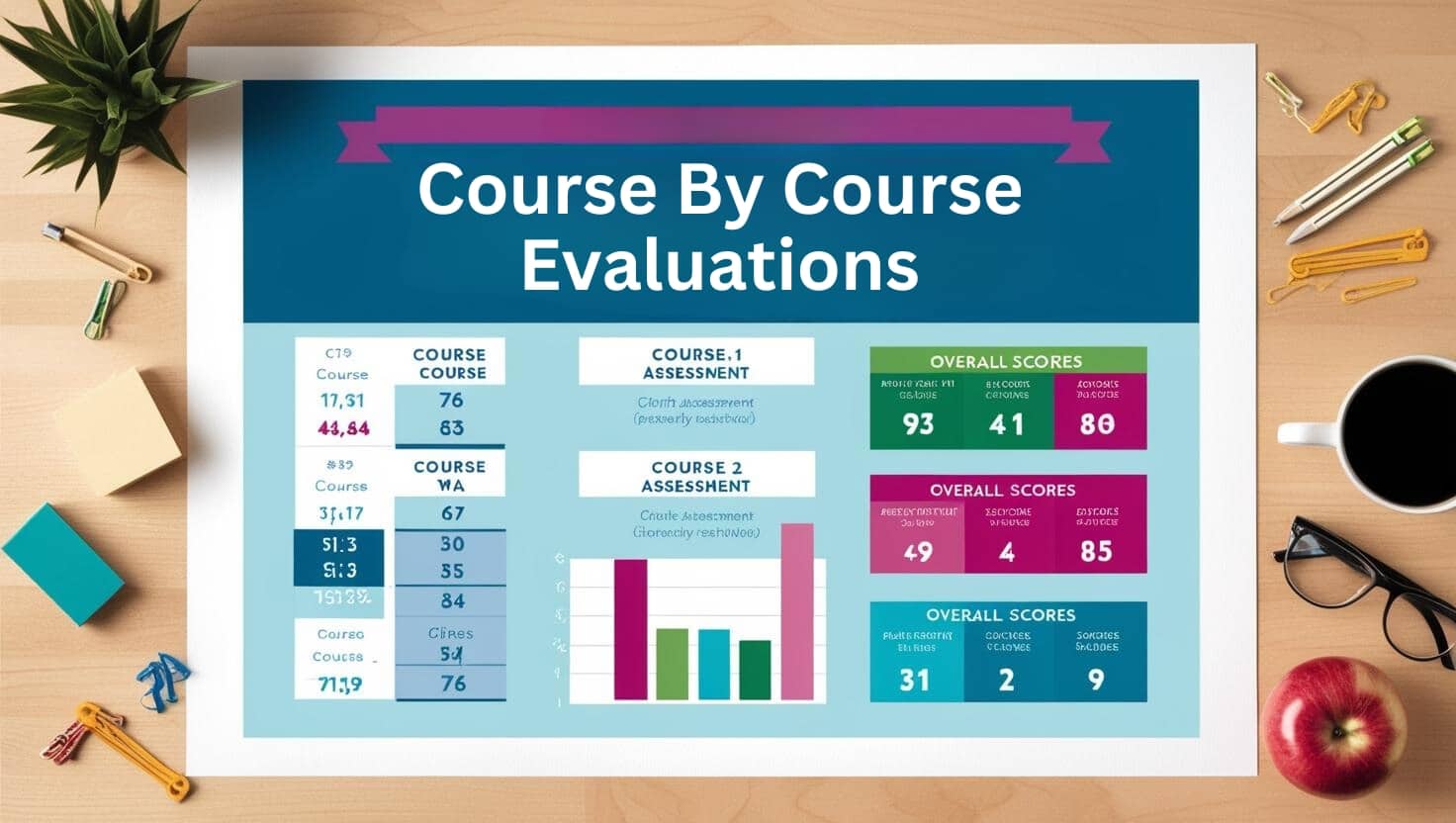
Course-by-Course Credential Evaluation
One of the most in-depth types of evaluation is a course-by-course credential evaluation, which breaks down each course taken throughout a person's research studies. This kind of examination helps in:
- Determining comparable courses in the U.S. Assigning credit hours for each course. Providing in-depth info about grades received.
Work Experience Evaluation
Evaluating work experience is crucial for specialists whose credentials may not be strictly scholastic however are nevertheless legitimate. This kind of evaluation can consist of:
- Analyzing task descriptions. Assessing abilities and proficiencies gotten through employment. Establishing equivalence with regional standards.
By doing so, people can validate their expert experiences as part of their credentials.
Expert Viewpoint Letter
An expert viewpoint letter functions as an additional layer of validation where experts examine a prospect's qualifications based on their experience and knowledge about market standards. This letter can be particularly helpful when:
- The private lacks formal education however has significant skills. There is ambiguity concerning global credentials.
This includes trustworthiness to applications across various sectors.
Business Strategy Evaluation
For business owners wanting to begin businesses abroad or protect financing, a business plan evaluation evaluates whether their proposed service aligns with regional regulations and market requirements. This includes:
- Financial projections. Market analysis. Risk assessments.
Evaluating service strategies allows investors and stakeholders to make educated choices while thinking about diverse ideas from various cultures.
The Significance of Embracing Variety Through Credential Evaluation
Fostering Inclusivity in Education
Embracing variety through international credential assessment services promotes inclusivity in educational institutions by guaranteeing that deserving prospects have access to college opportunities no matter where they earned their degrees.
Case Study: University Admissions
Consider a university that accepts worldwide students but does not have robust processes for evaluating foreign credentials. By partnering with credible international credential evaluators, they can:
Increase the diversity of their student population. Ensure reasonable admissions processes. Encourage cross-cultural interactions among students.This straight enhances the academic environment and prepares all students for a globalized workforce.
Enhancing Labor force Diversity
Incorporating varied skills into work environments offers numerous advantages such as ingenious solutions and differed viewpoints. With proper examinations:
Employers can determine proficient candidates who may otherwise be overlooked due to unknown scholastic backgrounds. Companies can much better line up teams with cultural skills-- vital for serving worldwide customers effectively.Example: Multinational Corporations
Multinational corporations frequently rely on diverse groups to navigate complicated markets successfully. By utilizing worldwide credential evaluations:
They draw in leading talent globally. Foster innovation through varied experiences. Strengthen brand name credibility by showcasing inclusivity.Challenges Dealt with by International Credential Evaluators
Variability in Educational Systems
One significant difficulty dealt with by critics is the variability in academic systems all over the world. Differences in grading systems, curricula structure, and degree classification can complicate evaluations significantly.
Addressing Challenges Through Extensive Research
To deal with these challenges effectively:
Evaluators must remain updated on educational patterns worldwide. Collaborate with foreign institutions for much better insights into their programs.By being proactive, evaluators enhance accuracy while fostering trust within communities served by these evaluations.
Misconceptions About International Credentials
Another hurdle includes misconceptions surrounding foreign degrees-- for example, assumptions that non-U.S.-based degrees do not satisfy local standards without extensive examination or insight into equivalences.
Overcoming Misconceptions
Educational organizations need to actively promote awareness relating to accepted foreign qualifications through workshops or informative sessions targeting both staff members and prospective https://rylanhgbl784.wpsuo.com/your-global-career-passport-comprehending-course-by-course-credential-evaluations trainees alike-- thus dispelling misconceptions surrounding global credentials!
The Process Associated with Academic Credential Evaluation
Step 1: Submission of Documents
The initial step includes people sending pertinent paperwork such as diplomas/transcripts in addition to any required extra info (e.g., syllabi) for thorough assessment by evaluators.
Required Documents Include:
- Official transcripts Degree certificates Course descriptions (if readily available)
Step 2: Review & & Analysis
Upon invoice, evaluators perform careful reviews focusing on elements like institutional accreditation status followed by an analysis versus standard requirements established locally (i.e., U.S.-based benchmarks).
Key Factors to consider During Evaluation:
Program length Grading scale conversion Equivalence determination based upon curriculum contentThis stage makes sure extensive understanding before rendering final judgments about equivalency!
Step 3: Issuing Reports
After carrying out assessments effectively comes report issuance-- an official file outlining findings consisting of recommendations regarding equivalencies achieved along with any supporting letters (if appropriate).
Types Of Reports Offered:
General details reports 2. Course-by-course reports 3. Work experience evaluationsThese reports empower people during application processes across multiple domains-- eventually promoting engagement based upon verified achievements!
How Organizations Gain from Credential Evaluations
Improving Employing Processes
Organizations stand greatly benefited when integrating trustworthy international credential evaluations into employing practices! With enhanced insights originated from confirmed backgrounds ...
1 ... Hiring managers acquire self-confidence understanding candidates have ideal knowledge/skills aligning with job functions! 2 ... Business minimize skill acquisition risks associated formerly unverified claims!
This leads towards developing strong teams built on meritocracy rather than predispositions formed out-of-familiarity!
Enabling Specialist Development Opportunities
By acknowledging valid experiences/qualifications acquired globally ...
1 ... Employers can set targeted training programs catering towards ability spaces determined during assessments! 2 ... Individuals engage confidently establishing necessary competencies ensuring career improvement!
This shared financial investment results favorably impacting overall work environment morale in addition to increased performance levels sustained with time!
FAQs About International Credential Evaluation Services
What Are International Credential Assessment Services?
International credential examination services evaluate scholastic records gotten outside one's home country-- equating them into formats understandable locally while making sure strenuous standards maintained throughout!
Why Do I Need My Qualifications Evaluated?
Credential examinations provide clarity regarding your credentials helping universities/employers recognizing your worth accurately therefore helping with smoother transitions within competitive environments!
How Long Does the Assessment Process Take?
Typically varies anywhere in between 7-- 14 organization days relying on intricacy involved; prompt submissions along with accurate paperwork frequently accelerate processing timelines!
What Kinds of Credentials Are Evaluated?
Evaluators think about all forms including diplomas/certificates showing secondary/post-secondary education levels paired together with job-related experiences yielding detailed evaluations tailored accordingly!
Can I Appeal An Evaluation Decision?
Yes! If disappointed with results received-- you may ask for re-evaluation offering additional materials/documentation even more supporting your case improving chances favorably reevaluated completely lined up potential results sought after!
Conclusion
In conclusion, welcoming variety through global credential examination services plays a critical function in producing inclusive societies where everybody has equal opportunities despite where they originate from or how they've achieved their goals academically/professionally!
As we browse this complex landscape filled difficulties ahead-- it ends up being apparent cooperation between companies offering these important services together with educational institutions/employers holds crucial unlocking paths leading towards success!
Ultimately making every effort towards acceptance/diversity enhances our cumulative abilities equipping us dealing with future undertakings-- ensuring no qualified individual remains neglected simply since unfamiliarity exists surrounding their backgrounds!
Enriching our world requires dedication forging connections beyond borders permitting talent thrive irrespective origin stories unfold; together let us continue champ efforts ensuring every voice heard valued celebrated going beyond distinctions eventually coming unified function driven advancing development together!